

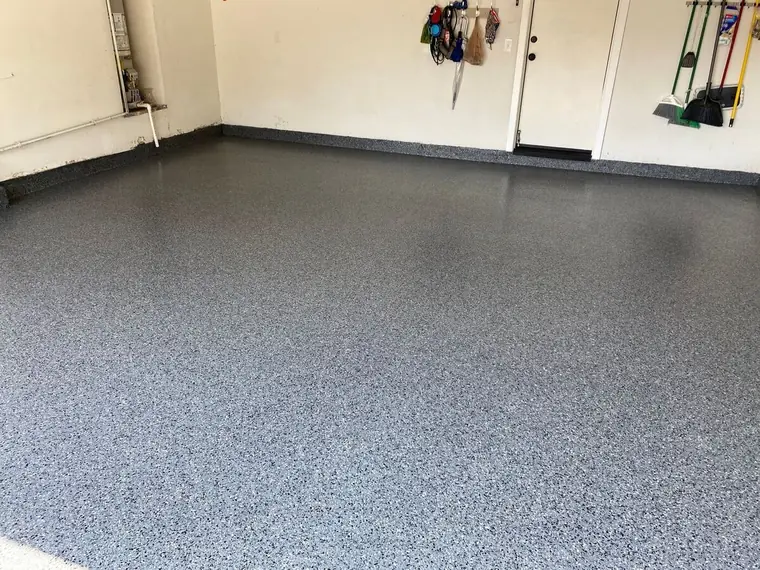
Timing questions come up for almost every garage floor project because the floor is part of daily life. People want to know when they can walk through the space, move storage back in, or park again. Those are reasonable questions, but the right answer should be tied to your actual floor rather than a one-size-fits-all promise.
Why there is no single return-to-use answer
Garage floor coatings are not all installed under the same conditions. Concrete prep, repair work, coating selection, temperature, and humidity can all affect how a project moves from installation to normal use. That is why the timing conversation should stay connected to the system being installed and the condition of the slab.
The short timing note on our FAQ points in the same direction: project timing depends on the details. Our epoxy and polyaspartic floors page is also useful if you are still comparing coating types before you focus on schedule.
What usually affects walk-on and drive-on timing
Homeowners often ask for one number, but it helps to think in stages instead. Walking on the floor, moving items back into the garage, and parking on it are not always the same milestone. Prep depth, repairs, the coating build, and the topcoat plan can all change how those steps are handled.
Idaho conditions matter too. In the Treasure Valley, temperature swings and day-to-day weather can affect scheduling and expectations, which is one reason our Idaho weather article and why our floors last page both keep prep and planning ahead of sales language.
What to ask before your project is booked
A better question than "How fast is it?" is "What are the expected walk-on and drive-on windows for my floor?" That keeps the answer practical. You can also ask whether crack repair, joint work, or heavier prep may change the schedule once the slab is ground and fully reviewed.
If the garage has existing issues like dusting concrete, old paint, or visible repairs, those conditions are worth discussing early because they can affect more than just appearance. Our guides on dusty garage floors and old paint or sealer explain why slab condition matters before the finish goes down.
How to plan around the downtime
Before the crew arrives, think through what you need from the garage during the project window. That may include where vehicles will go, when shelves or appliances can be moved back, and whether you are trying to line the work up with travel, remodeling, or another home project.
The estimate calculator can help you organize project basics, and the schedule estimate page is the right place to send photos and timing notes. If you want to compare finished looks while planning, browse the gallery or review flake samples before the quote conversation.
What a good contractor should explain clearly
You should not have to guess when normal use is appropriate. A good coating plan should explain what affects the schedule, what the expected next steps are after installation, and whether any specific care notes apply to your floor during the first part of its use.
Clear expectations are more useful than aggressive "fast cure" marketing by itself. The goal is not just getting the floor done quickly. It is getting a finished surface that has been prepared correctly and comes with realistic guidance for how to use it afterward.
Need timing guidance for your garage?
Send your city, garage photos, and any schedule constraints so Epoxy Pros can help you plan prep, coating options, and realistic return-to-use expectations.
Get a Free Quote