

Many older garages have at least a few dark spots from parked vehicles, lawn equipment, or years of drips near the front half of the slab. The key question is not whether the stain looks bad. The real question is whether oil or residue has penetrated the concrete enough to interfere with bond.
Oil-stained concrete needs honest prep review first
A coating system still has to bond to sound concrete. If oil or greasy residue is sitting on the surface or has soaked into weak top material, the prep plan needs to account for that before the floor is coated. Rolling over contamination is not the same as fixing it.
That is why the prep-first approach on our concrete prep and repairs page and the process notes on why our floors last matter so much. A better result starts with the slab condition, not just the finish choice.
Some stains are mostly cosmetic, but some affect bond
Not every dark spot means the same thing. A light surface mark may be different from a long-term leak area that has left residue deep in the top layer of concrete. That is why blanket yes-or-no answers are not very helpful. The floor has to be looked at in context with the age of the stain, surrounding concrete condition, and any other issues like dusting, cracks, or previous paint.
If the floor also has peeling or weak surface material, compare that with our articles on why garage floor coatings peel and coating a dusty garage floor. Oil stains are one prep issue, but they often show up alongside other bond risks.
Prep matters more than sales language
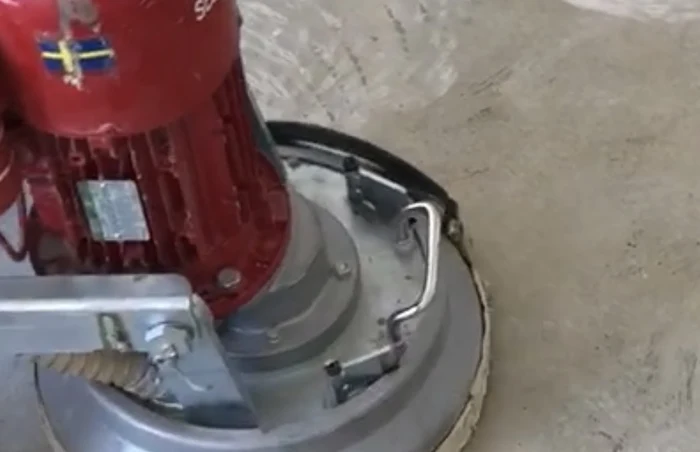
Homeowners usually get the clearest answer by asking what will be done to evaluate and prepare the stained areas. Mechanical surface prep, cleaning, and slab review are more useful topics than a fast promise that any floor can be coated without extra discussion.
Our diamond grinding guide explains why prep is such a major part of coating performance. The goal is to create a clean, coating-ready surface instead of asking the finish to hide a problem underneath.
Oil stains are different from old paint, sealer, or moisture issues
It helps to separate the prep questions. Oil contamination is not the same as an old acrylic sealer, and it is not the same as a moisture-related slab issue. A good estimate conversation should sort those conditions out instead of treating every garage problem like one generic category.
If you are not sure what your floor history includes, it also helps to review old paint or sealer and moisture checks before coating. Those guides help narrow down which prep questions matter most for your slab.
What to send before requesting a quote
Take photos of the whole garage floor, close shots of the stained areas, and any cracked, patched, or peeling sections nearby. That gives the estimate conversation more useful context than just saying the floor has oil on it. If you know whether the stain is old, active, or tied to a previous leak, mention that too.
You can start with the estimate calculator, compare coating options on the garage floor coatings page, and review finished examples in the gallery and project pages before requesting a quote.
Need help evaluating stained concrete before coating?
Send a few clear photos of the stained spots and the full slab so Epoxy Pros can help you plan the right next step.
Get a Free Quote